
In January-February 2008, I traveled across the wonderful country of Guatemala in Central America. I visited some touristic places like Antigua, Tikal and Panajachel. I saw Lake Atitlan, numerous volcanoes, including Pacaya, walked downtown Guatemala Ciudad and wandered in many outdoor markets. But most of all, I had the opportunity to spend the greatest portion of that journey volunteering in a small, isolated Mayan village located in the mountains, which was, by far, the best and most memorable part of that trip.
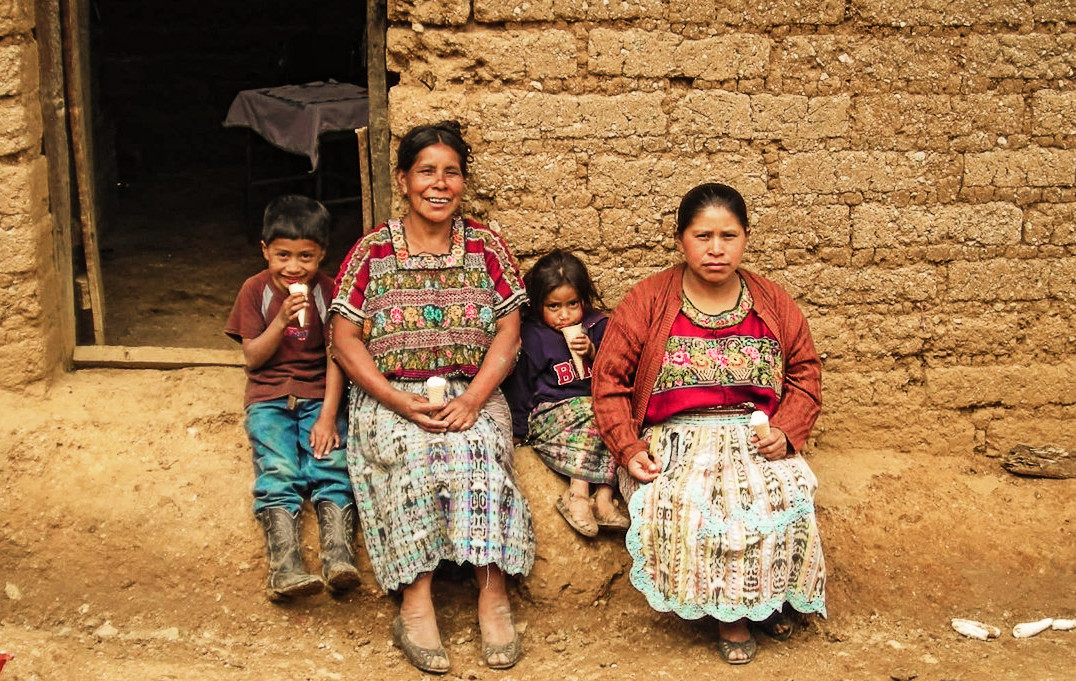
The village, Patzaj, was mostly comprised of women and children. Indeed, after the recent genocide that killed hundreds of thousands of aboriginal people, most men had died trying to protect their nation, and the village had been burnt down, then rebuilt, then burnt down once more, and finally rebuilt again. Some people in the village could speak a little bit of Spanish, but the majority of them only spoke Kaqchikel, one of the numerous Mayan languages spoken in Central America, which I had the chance to learn- well the basics of!
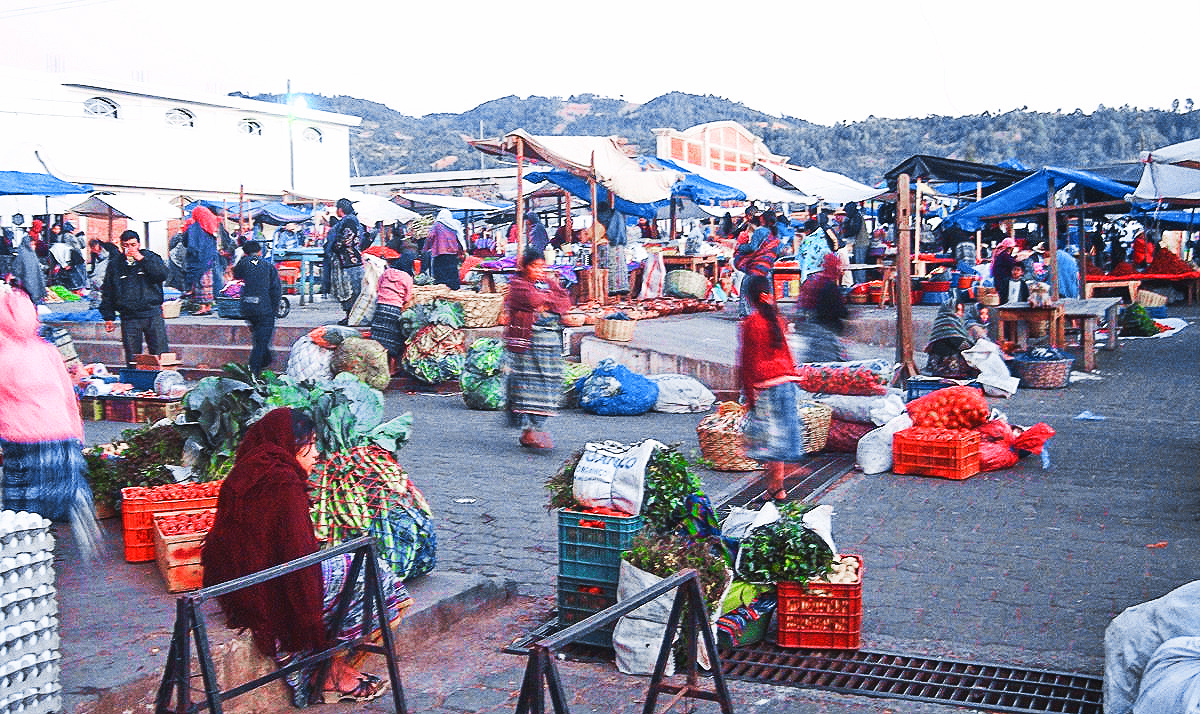
This travel still holds a dear place in my heart, and is a memory that I intend to cherish forever. It was the first time I experienced a true cultural shock. The conditions in which the villagers lived were awful, the trauma they had experienced was indescribable, but they nonetheless were people, mostly women, who were strong, welcoming, and so, so resilient.
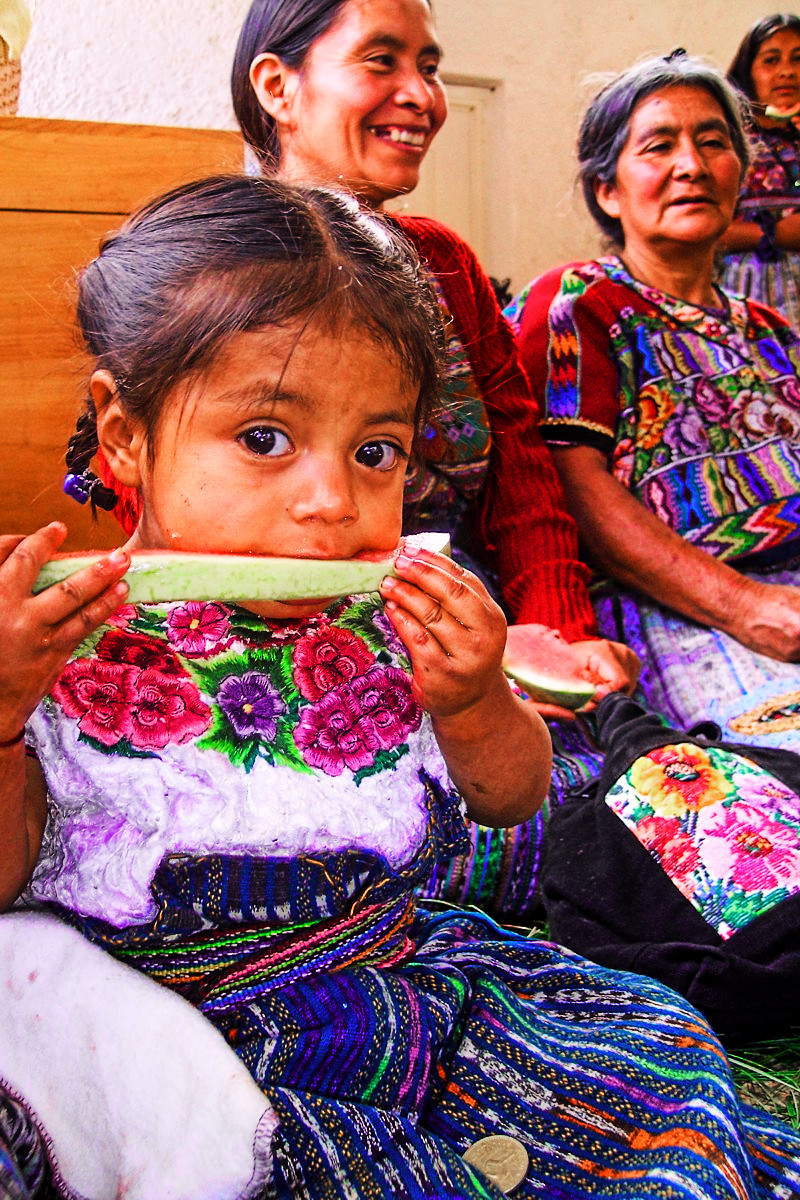
I was amazed by their will to live, to work, to fight. I remember vividly times when I was walking in big cities with some Mayan women where people would stare at them, insult them, and even throw them rocks. I remember how the strong ladies beside me would not react, used to those vicious acts. I was outraged, but these women were going on with their lives; they were the strongest ones.
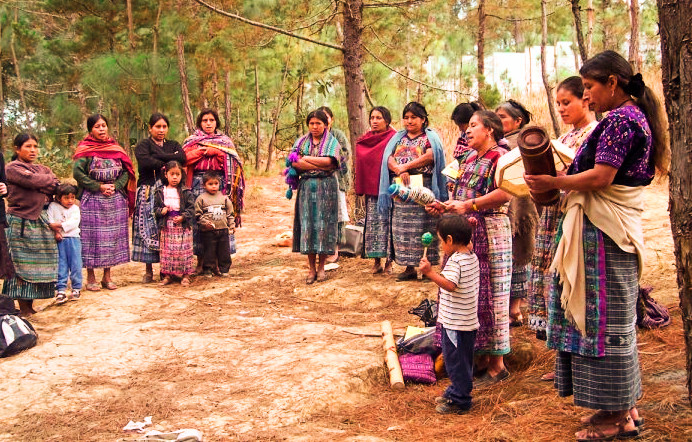
One day, they brought me to an exhumation site where many people from their community had been raped, tortured, killed and buried. The Mayan women who were with me performed a traditional ceremony to honor the dead. It was such a peaceful moment, remembering all of the innocents who had suffered so much, simply because they were different, because they did not belong to the “right” ethnic group, to the “right” religion. I felt so far from home, from my reality, my comfort. I realized at that moment that I knew nothing about life, about suffering, about being truly scared. My respect for these people grew even more, I wanted to help them, to support them, but I couldn’t. I could simply listen to their stories and try to make sure that this genocide would never be forgotten.
During my stay, I got to know these women, to hear their stories, to live with them on a daily basis. I did my best to help them with their garden and their weaving cooperative called Flor del Campo. Nevertheless, they helped me much more than I helped them. These ladies taught me how to be empathetic and humble; they made me want to explore and discover the world in a much more human manner; to truly know people, their challenges and their battles. After all, everyone has a story.
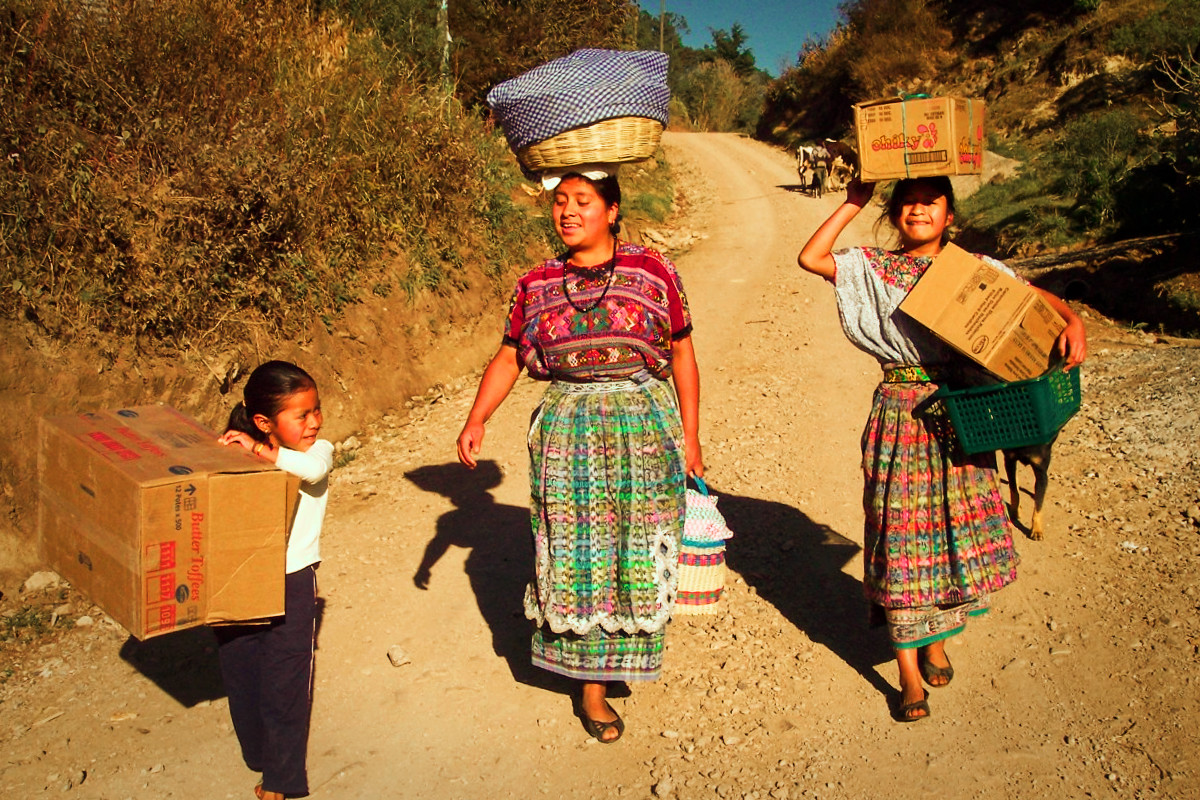
Yes, like I mentioned earlier, I did do some typical touristic attractions while I was there. I hiked on a volcano, visited archaeological sites and museums. But nothing compares to the deep connection I established with people from a culture drastically different than mine. I made friends, I shared meals, I learned new skills, I understood what compassion and kindness really meant, and I developed this envy to travel all around the globe, not just to photograph famous monuments, but to meet locals, cook with them, have heart-to-heart conversations, and live something new, something unique.
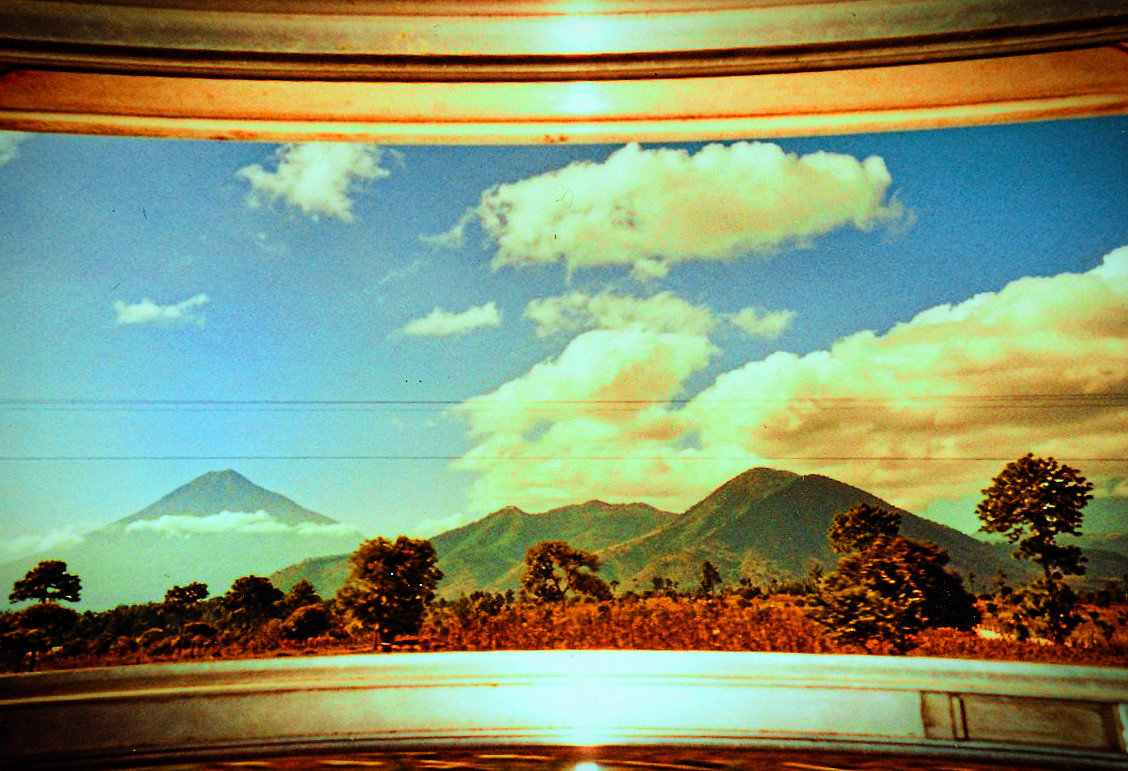
In life, we give and we take. Guatemala taught me to give my time, my patience, my ears and my heart, and to take advice. To listen, never judge, never assume, to stay open-minded, and to be happy with the smallest things. There is beauty in everything. You just have to look in the right direction.
 Bittersweet Travel Memories